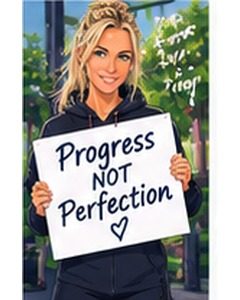
Extreme Ownership. Total Compassion.
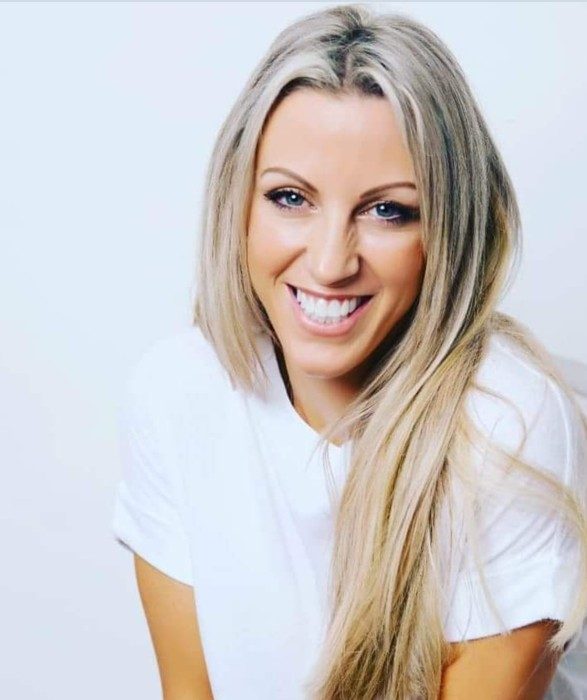
Those two things aren't in conflict — together, they're the whole approach. I expect you to be personally accountable: to show up, to be honest with me, to do the work. But I don't expect you to be perfect, and I will never make you feel like a failure for being human. Progress isn't a straight line, and self-compassion isn't the opposite of discipline — it's what makes discipline sustainable instead of something you eventually rebel against.
This isn't a control-and-restriction game, either. Control is usually what's exhausted you in the first place — self-respect is what actually holds. Your body isn't broken; it's a fair reflection of the habits and beliefs currently running underneath it. Change those, and your body doesn't need to be forced into anything. It follows.
I understand, too, how much so many women have been quietly carrying — often for years. The mental load of running a career, a home, a family, a relationship, while somehow also managing everyone else's feelings on top of your own. The habit of putting yourself last, on the list you never quite get round to. Treading on eggshells so you don't upset anyone. Saying yes when every part of you means no. These aren't personality flaws — they're patterns, repeated so many times over so many years that they've become exhausting, often without you even noticing they were happening. If you feel worn down, it isn't because you're weak. It's because you've been doing an enormous amount of unpaid, unseen work for a very long time.
Feminism told us we could have it all — but somewhere along the way, that quietly got rewritten to mean we could do it all, so long as we kept our opinions to ourselves and looked good doing it. I think it's time to change the dial. To me, real feminism means being free to be whoever we actually want to be — and free to change our minds about who that is, what we want, and what would genuinely make us happy. The version of you from ten years ago didn't know everything you've lived through since. You're allowed to outgrow her. Changing your path, your priorities, even your identity, isn't a failure to stay consistent — it's real growth, and it deserves to be cheered on, not questioned.
Let's Rewrite the Story You Tell Yourself
"My metabolism's broken." "I can't eat like normal people and stay slim." "I have to starve myself to see anything." "My body just doesn't respond to exercise." "I'm big boned." "I've got no willpower." "I'm just not a fit person."
I've heard every one of these — and I've believed some of them myself. They're not facts. They're stories, often built years ago, that we've quietly gone on repeating to ourselves until they started to feel true — and without noticing, we let them decide what we think is actually possible for us. Together, we name the story, then build a new one. Work on the mindset, and the body follows — it very rarely works the other way round.
There's No Finish Line — and That's Good News
1:1 coaching has a minimum commitment of 3 months, and for most women, 3 months of 1:1 coaching sets them up well to carry on with the Monthly Plan. Some prefer 6 months, and some see it as a regular investment in their health and fitness. But real, lasting change takes longer than either — this is a long-term investment, and for maximum gains I'd recommend a minimum of consistent effort over a year. That's not a discouraging number, it's the honest one. The moment you accept there isn't a deadline to "get fit," that this is a lifestyle and not a project with an end date, everything gets easier — and once your habits become automatic, staying fit and in great shape stops being hard work and just becomes who you are. The single biggest reason people don't get results isn't the plan, the diet, or the workout. It's that they don't stick at anything long enough to actually let it work. Consistency beats a deadline, every time.